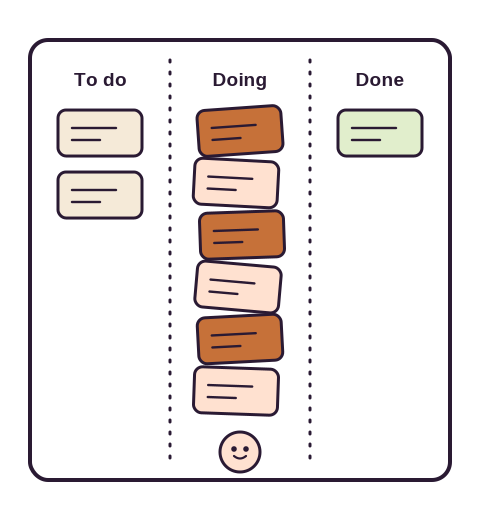
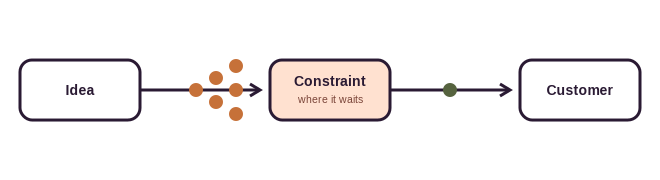
Where flow is blocked
We map how work actually moves from idea to customer, and make the queues, handoffs and waiting time visible to everyone.
Fast Flow Practitioners
Experienced practitioners who work through the real work with your teams: reducing cognitive load, measuring value, and getting to better customer outcomes. Directed by you: facilitate, lead, or advise.
What a practitioner helps with
We map how work actually moves from idea to customer, and make the queues, handoffs and waiting time visible to everyone.
Clearer ownership, fewer dependencies and better interactions between teams, so effort turns into progress.
We look at how much a team is being asked to hold in its head, and reduce it: scope, systems, tooling and context switching.
A small set of measures your teams and your leadership both trust, focused on outcomes rather than output.
The aim is to get useful things into customers' hands sooner, and learn faster from what happens next.
That is a fine place to start. A first conversation usually makes it obvious.
Book a callA flexible model
Practitioners work on a flexible basis, days rather than fixed programmes. You decide which role they play, and it can change week to week.
A pair of hands in your sessions and ceremonies: observing, contributing and quietly modelling better habits.
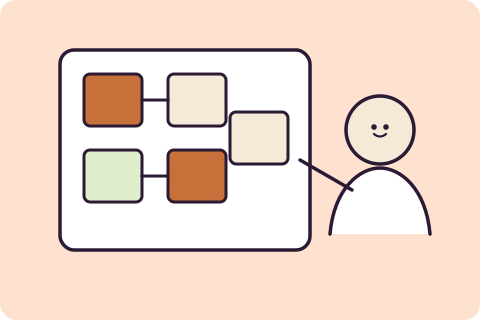
Designed and facilitated sessions: value stream mapping, team interaction design, dependency reviews and cognitive load assessments.
Regular time with managers, teams and leaders: thinking partner, second opinion and honest challenge.

Mix and adjust. Most engagements move between all three. Start with a couple of days a month and scale up or stop whenever it makes sense.
Time with the teams, a look at your delivery data, and one mapping workshop. You get a plain-language read of where flow is blocked.
We pick one or two changes worth making and do them with the teams, alongside a small set of measures so you can see the effect.
Your people run the habits and workshops themselves. We step back to a light-touch day or two a month, or step out entirely.
Half an hour with a practitioner. Tell us what feels hard and we will tell you what we would look at first, and whether we are the right people to help.